









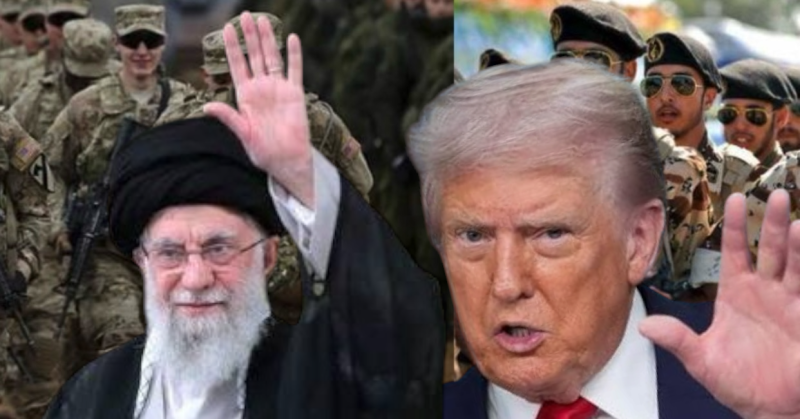
SP-Indonesia.com, Singapore – Tensions in the Middle East are increasingly shaking the world after the United States government’s war costs for military operations against Iran reportedly ballooned to US$29 billion, equivalent to IDR 507 trillion.
This staggering budget increase has now drawn intense scrutiny from the United States Congress amid concerns about the global economic impact and the threat of a global energy crisis.
The magnitude of the war costs was revealed by Deputy Secretary of War and Chief of Treasury Jules W. Hurst III at a hearing of the US House of Representatives Defense Budget Committee on Tuesday (May 12, 2026).
Hurst said the latest estimate represents a significant increase compared to the previous report, which was at US$25 billion.
He explained that the cost increase was driven by the need to repair major weapons systems, replace military equipment, and the high operational costs of maintaining troops in the conflict zone.
“At the time of the previous testimony, the figure was US$25 billion. However, the joint staff and budget oversight team has continually updated that estimate, and we now estimate it to be closer to US$29 billion,” Hurst said.
At an exchange rate of Rp17,500 per US dollar, the total cost of the United States’ military operations against Iran now stands at approximately Rp507 trillion.
The conflict between the United States and Iran escalated on February 28, 2026, when Washington, along with Israel, launched airstrikes against several strategic targets in Iran.
The attacks reportedly caused extensive damage and civilian casualties, before Iran retaliated, escalating the war in the Middle East.
This situation also disrupted global energy distribution routes in the Strait of Hormuz, one of the most vital passageways for global crude oil and liquefied natural gas shipments.
The disruption of shipping in the Strait of Hormuz caused international energy prices to spike sharply and raised concerns among many countries about the stability of global trade.
The Trump administration is said to have continued to expand military operations under the pretext of maintaining regional security while simultaneously suppressing Tehran’s economic and defense capabilities.
However, the US Congress is beginning to question the transparency of the war budget, which continues to balloon amidst fiscal pressures and global economic uncertainty.
Hurst acknowledged that war costs will likely continue to rise if the conflict drags on and military escalation escalates further.
(Senior Reporter: Indra Chaniago)